
A Georgia Parent's Guide to Child Safety in Summer Activities: Pools, Lakes, Heat, and Backyard Hazards
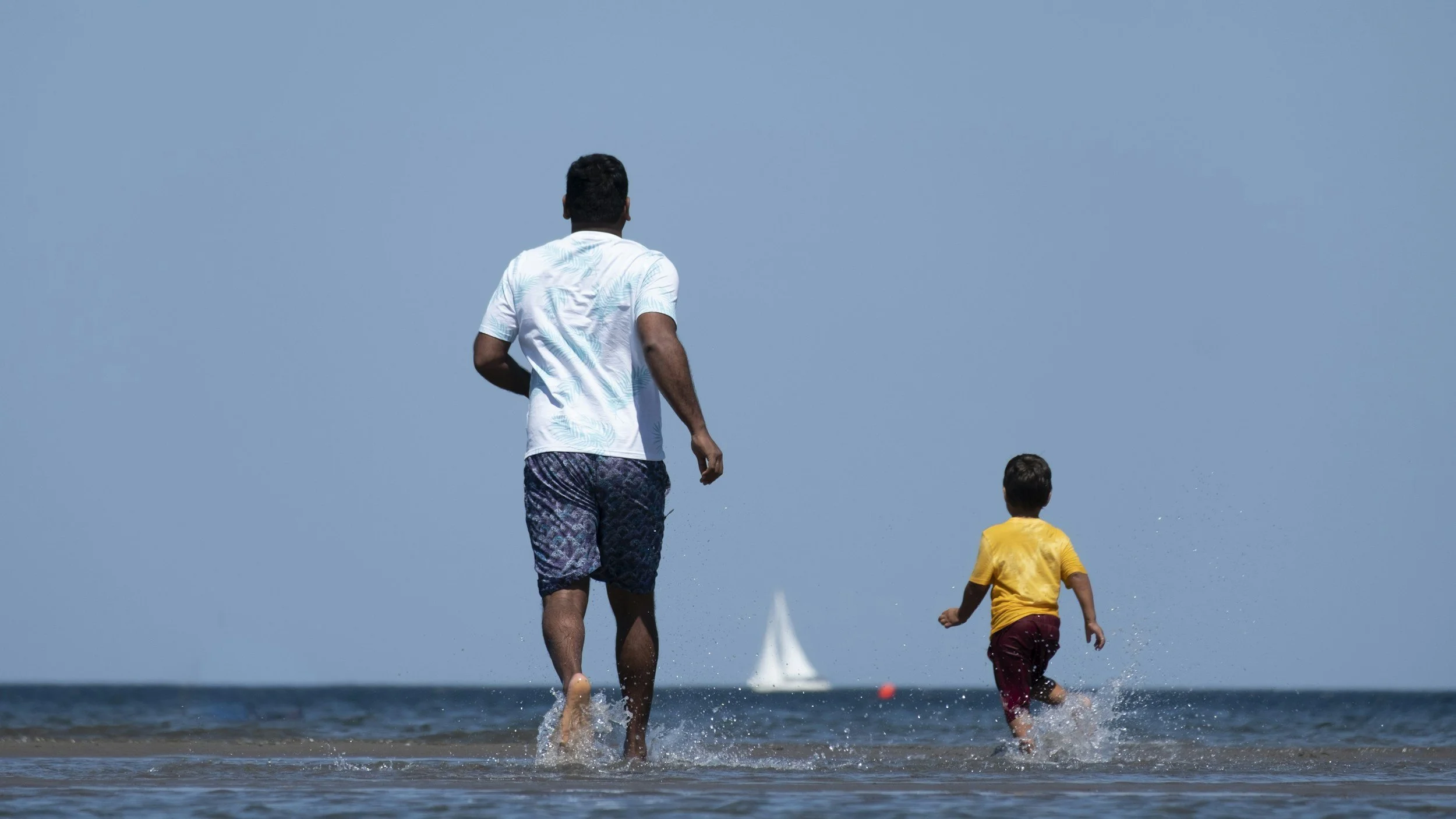
By the second week of June, most Georgia parents have already had the conversation: who's watching the kids at the neighborhood pool, which friend's house has the trampoline, and whether the Lake Lanier weekend is really a good idea this year. Summer in Georgia is wonderful for young children, and it is also when our office sees the highest volume of preventable child injury cases. Drownings spike in May and stay high through August. Heat-related ER visits climb every July. Bike and scooter injuries show up the minute school lets out. This guide walks Georgia families through the summer hazards that hurt young children most, with the practical safety steps and red flags every parent should know.
Pool and Water Safety for Young Children in Georgia
Drowning is the leading cause of accidental death for Georgia children ages 1 to 4, and the second leading cause for ages 5 to 14. Most of these drownings happen in residential and neighborhood pools, not in lakes or oceans, and they happen in seconds, in water you can stand in. If your summer involves any kind of pool, treat the following as non-negotiable for kids under 10:
Designate a responsible water watcher. Choose one sober adult whose only job is to watch the pool. Not the grill, not the group chat, not the older kids. Trade off in 15-minute shifts. Drownings at backyard barbecues happen because every adult assumes someone else is watching.
Touch supervision for non-swimmers. Children under 5 and any child who is not a strong swimmer should be within arm's reach of an adult any time they are in or near water.
Skip the floaties as a safety device. Puddle jumpers and arm floaties give kids a false sense of confidence and give parents a false sense of security. The CDC and American Academy of Pediatrics recommend U.S. Coast Guard–approved life jackets, not inflatables.
Check the gate and the drain. Pools at Georgia homes are required to be enclosed by a four-sided fence at least four feet high with a self-closing, self-latching gate. Confirm the gate latches every time. Ask about a compliant anti-entrapment drain cover, which has been federal law since 2008 but is still missing in many older Georgia HOA pools.
Enroll in swim lessons early. Georgia's YMCAs, city aquatic centers, and ISR (Infant Swimming Resource) instructors offer programs for children as young as 6 months. Formal lessons reduce drowning risk in children ages 1 to 4 by roughly 88%, according to a landmark AAP study.
Lake Lanier, the Chattahoochee, and Georgia Open-Water Risks
Open water is a different beast. Lake Lanier averages more than a dozen drowning deaths a year, and the Chattahoochee River, despite looking calm, has cold pockets, hidden currents, and underwater debris that have killed strong adult swimmers. Before you take young kids to Lake Allatoona, Lake Hartwell, Tybee Island, or Jekyll Island this summer, build these habits:
Put every child under 13 in a properly fitted, Coast Guard–approved life jacket on any boat, paddleboard, or kayak. Georgia law requires it under O.C.G.A. § 52-7-8.1, and "stowed on the boat" doesn't count.
Never let a young child swim from a dock or boat without an adult already in the water. The drop-off at Lanier from waist-deep to over your head can be one step.
Learn the difference between drowning and "drowning in the movies." Real drowning is silent. Kids slip under without splashing or yelling.
Check the lake conditions and rip current forecasts at Tybee and Jekyll on the National Weather Service site before you go. Rip currents kill more people in Georgia than sharks, alligators, and jellyfish combined.
Heat, Hot Cars, and Sun Safety in Georgia Summers

A July afternoon in Macon, Augusta, or Albany can hit 100 degrees with a heat index well above that. Young children overheat faster than adults because they sweat less efficiently and have a higher surface-area-to-body-mass ratio. Heat exhaustion can tip into heatstroke quickly, and heatstroke is a medical emergency. To protect young kids during a Georgia summer:
Never leave a child in a parked car, not even for a minute, not even with the windows cracked and the air conditioning on. The interior of a car parked in Atlanta in July can reach 130 degrees in under 20 minutes. Georgia has prosecuted hot-car deaths as both negligence and worse.
Build a "look before you lock" habit. Put your purse, phone, or work badge in the back seat next to the car seat so you physically cannot leave the car without opening the back door.
Watch for warning signs: headache, nausea, dizziness, flushed skin that has stopped sweating, confusion, or unusual fatigue. Get the child into shade, off their feet, and into cool (not ice-cold) water, and call 911 if symptoms don't improve quickly.
Reapply sunscreen every two hours, and more often at the pool or beach. Georgia's UV index regularly hits 10+ from late May through August.
Schedule outdoor play before 10 a.m. or after 6 p.m. on the hottest days, and bring more water than you think you need.
Backyard, Bike, and Trampoline Injuries
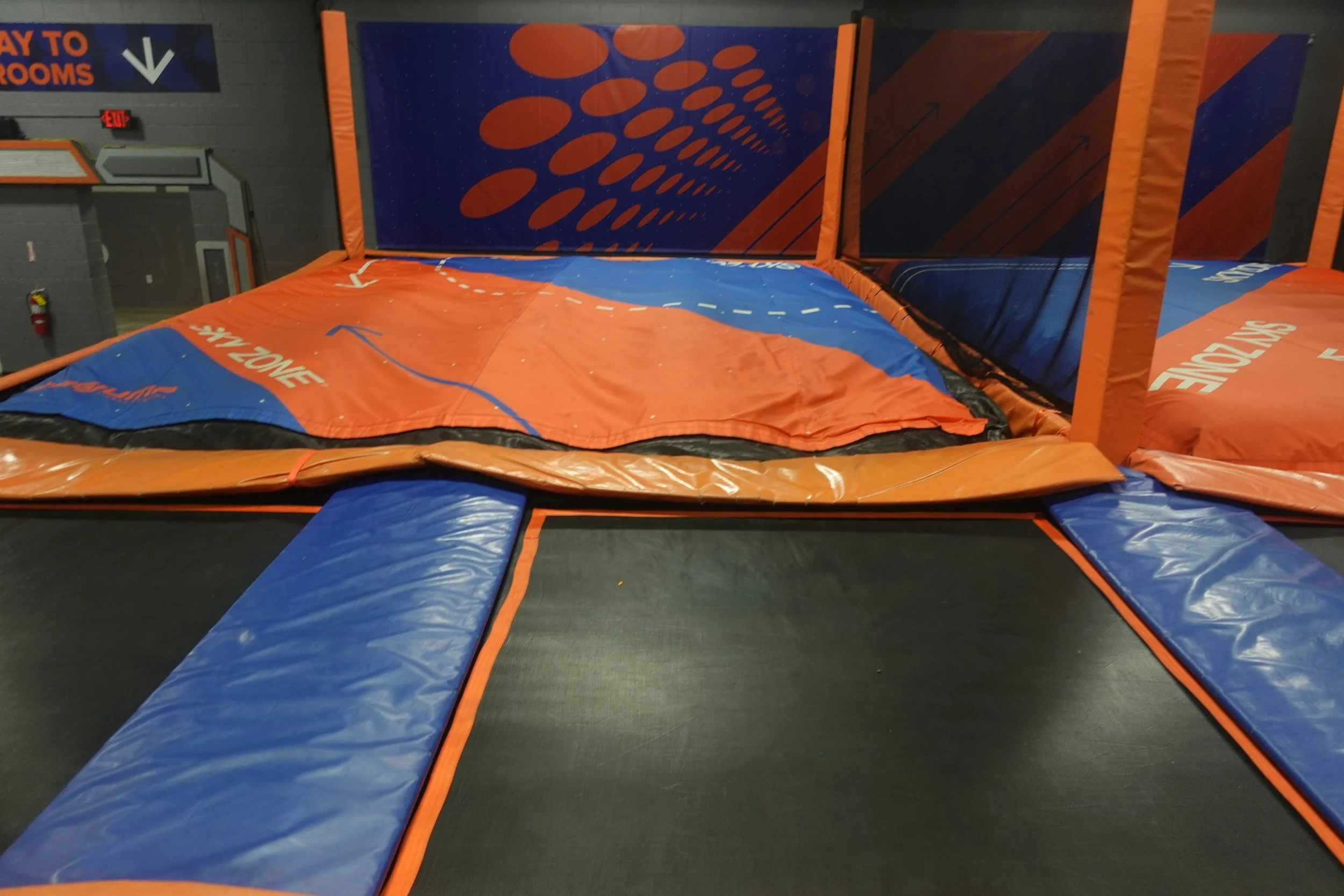
The injuries we see most often once school lets out are the everyday ones: a fall from a backyard trampoline, a scooter wreck on a cul-de-sac, a playground arm break, a bike accident on a neighborhood street where a driver wasn't watching.
Here are a few precautions you can take for summer activities like bikes, trampolines, and backyard playgrounds:
Helmets are required by Georgia law (O.C.G.A. § 40-6-296) for any child under 16 on a bicycle. They should also be worn on scooters, skateboards, and hoverboards. A properly fitted helmet should sit level, two fingers above the eyebrows.
Limit trampolines to one jumper at a time. The American Academy of Pediatrics specifically discourages home trampoline use for children under 6, and most pediatric ER doctors will tell you why.
At commercial trampoline parks like Sky Zone or Urban Air, review the waiver carefully. Parental waivers that try to release a business from liability for negligence against a minor can be enforceable, so be sure to thoroughly read and understand all waivers. On the other hand, Georgia law on waivers is nuanced. An experienced attorney should review waivers post-incident to determine whether they are applicable and preclude a particular claim. Don't assume signing one ends your child's right to recover for a serious injury.
Walk the playground equipment before kids use it. Splintered wood, rusted bolts, broken slats, hot metal slides in direct sun, and missing safety surfacing under swings are all hazards that come up in negligence cases.
What to Do If Your Child Is Injured This Summer in Georgia
If your child is hurt at a pool, lake, camp, daycare, neighbor's house, trampoline park, or anywhere else this summer, the first hour matters most. Get medical care immediately, even for injuries that look minor; concussions and internal injuries in young children are often missed at the scene. Photograph the location, the injury, and anything that contributed (broken gate, missing lifeguard, hot equipment). Ask for any written incident report and the names of every adult who was supervising. Save every text and email. Do not sign anything from the property owner, HOA, camp, or insurance company until you've spoken to a Georgia child injury attorney. Critical evidence, including surveillance footage and staffing logs, often disappears within days.
Summer should be the best part of childhood. A little planning, the right gear, and knowing what to do if something goes wrong is how Georgia parents keep it that way.

Mitchell Law is here to Help with Child Injury Cases in Georgia
If your child has been injured at a pool, lake, camp, daycare, or anywhere else in Georgia, Mitchell Law can help.
Founder and trial attorney Ashley Mitchell has recovered millions for Georgia families in child injury, drowning, and premises liability cases, and consultations are free and confidential.
Call 404-383-2157, email info@amitchelllaw.com, or follow @amitchelllaw on Instagram for more Georgia child safety resources.