
Interstate 85 Trucking Accidents in Banks, Franklin, Jackson, and Hart Counties: A Northeast Georgia Lawyer's Guide for Injured Drivers
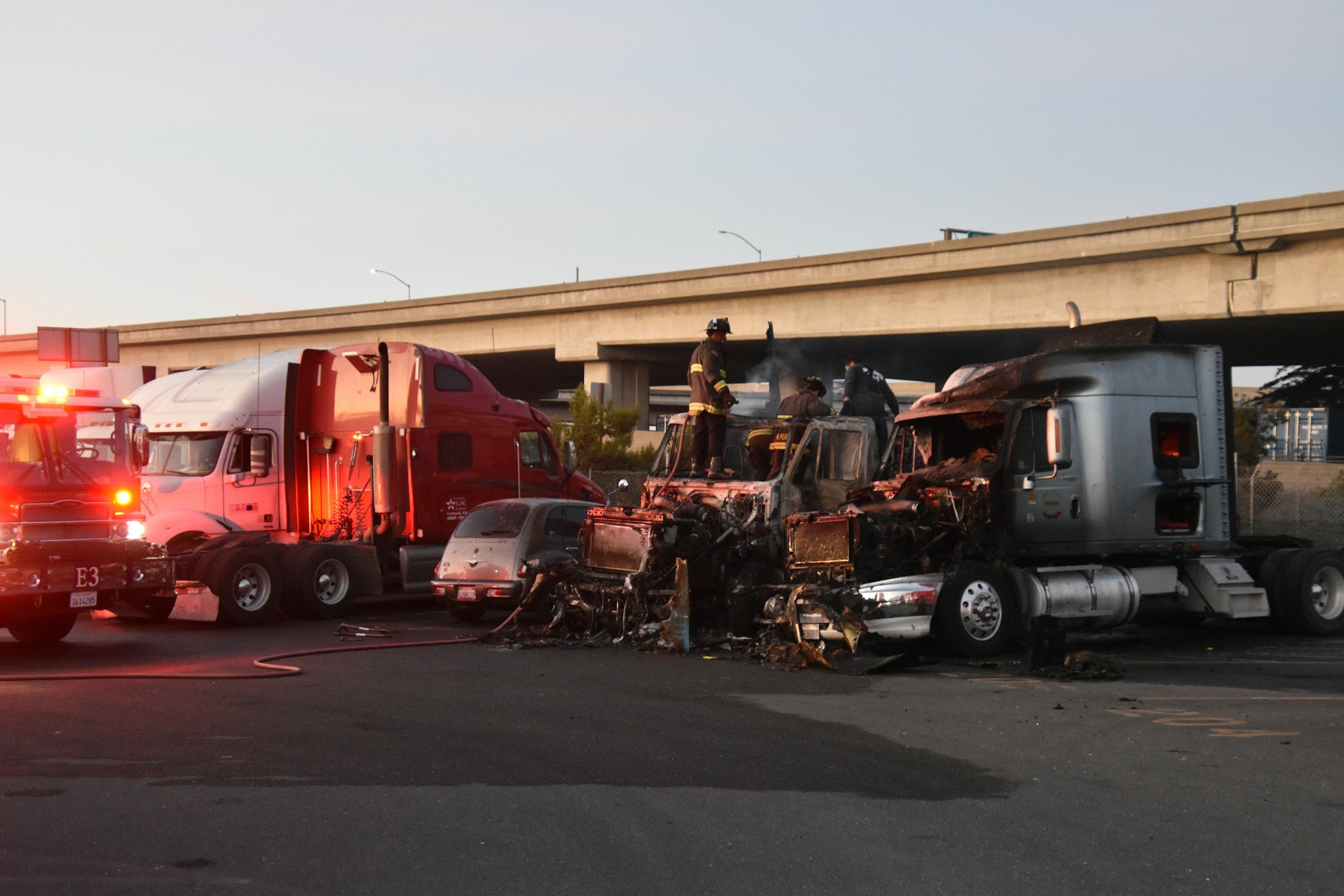
If you've ever sat at the Banks Crossing exit watching 18-wheelers stack up at the QT, you know the kind of traffic Interstate 85 carries through Northeast Georgia. The stretch of I-85 running through Jackson, Banks, Franklin, and Hart Counties is one of the busiest commercial trucking corridors in the Southeast. The volume of tractor-trailers moving through Pendergrass, Commerce, Carnesville, and Lavonia means crashes here are common, severe, and legally complicated. If you or a loved one was hit by a commercial motor vehicle on I-85 in Banks, Franklin, Jackson, or Hart County, this guide answers the questions Northeast Georgia drivers ask me first.
I'm Ashley Mitchell, founder of Mitchell Law. I was born and raised in Banks County. My family members live in this area, and I am constantly on the roads here traveling between offices. I know these exits, these towns, and the stretch of road between Maysville and Lavonia better than most lawyers will ever bother to learn. That local knowledge matters when a case turns on venue, witness credibility, and the way a Northeast Georgia jury hears a story.
How an I-85 Commercial Truck Accident Is Different from a Regular Georgia Car Wreck
A wreck with a fully loaded tractor-trailer is not the same legal animal as a fender-bender in the Tanger parking lot in Commerce. Commercial motor vehicle (CMV) cases are governed by federal rules ordinary drivers usually never deal with.
What if the at-fault driver or trucking company is from out of state? It doesn't matter where they're from. If the wreck happened on I-85 in Northeast Georgia (or anywhere else in the state), you generally have the right to sue here. Out-of-state defendants have to come to a Georgia courtroom to defend themselves. The USDOT number on the side of a truck is what tells us key information about what companies are responsible for the driver and the equipment.
How long does a Northeast Georgia personal injury case take? Anywhere from a few months for a clean case that settles to two-plus years for a complex commercial motor vehicle case that goes to trial. Cases generally do not move forward seriously until you reach maximum medical improvement (MMI), which is when your doctors can say what your long-term condition will be. I will never push a client to settle before we know what the future actually looks like.
What I Should Do Right Now
Where should I go for medical care, and does that matter? Big trucking accidents often cause big injuries. Where you go for treatment matters a great deal. Most serious Northeast Georgia injuries route to Northeast Georgia Medical Center in Gainesville (Level II trauma), with Piedmont Athens Regional and — for serious wrecks near the South Carolina state line — Prisma Hospital in Greenville sometimes in play. The medical record from that first visit is the foundation of your case. Adrenaline masks injuries; document everything from day one, even if you "feel fine."
The Georgia State Patrol accident report got the facts wrong. What do I do? This happens more than people realize, especially on I-85 when troopers are juggling a multi-vehicle scene. You can request a supplemental statement, and your attorney can subpoena 911 audio, dispatch logs, body-cam footage, and other records to correct the picture. A wrong report is not the end of your case, but it is a reason to call a lawyer before giving up or providing a recorded statement to an insurance adjuster.
The other driver's insurance offered me money. Should I take it? Almost never without a lawyer's review. First offers come before anyone knows the full extent of your injuries, future medical needs, or lost earning capacity. Once you sign a release, your case is closed forever. Insurers know this. Quick offers are designed to capitalize on the moment when you are scared, in pain, and worried about the medical bills piling up.
How do I find a witness who saw my wreck on I-85? Quickly. Witnesses on I-85 are often passing through from other states, and contact information disappears within days. If you can safely get names and phone numbers at the scene, do it. After that, an attorney can work with law enforcement, nearby businesses (Banks Crossing, Tanger Outlets, the Lavonia exits), and dashcam-footage requests to track people down.
Federal regulations apply. The Federal Motor Carrier Safety Regulations impose hours-of-service limits, drug testing, and driver qualification standards. Violations of the federal regulations are powerful evidence of negligence.
Multiple defendants are usually involved. The driver, motor carrier, broker, shipper, and maintenance contractor may all share fault.
Insurance policies are far larger. Interstate carriers must carry $750,000 to $5 million in liability coverage depending on cargo.
Defense teams arrive fast. Major carriers dispatch investigators within hours and oftentimes while the injured party is still in the ER. I was a defense attorney for national trucking companies and served on their “rapid response teams” for years. I know the playbook and how quickly the trucking companies and their insurers move to get ahead of an injured person and their family.
The Most Dangerous Stretches of I-85 in Banks, Franklin, Jackson, and Hart Counties
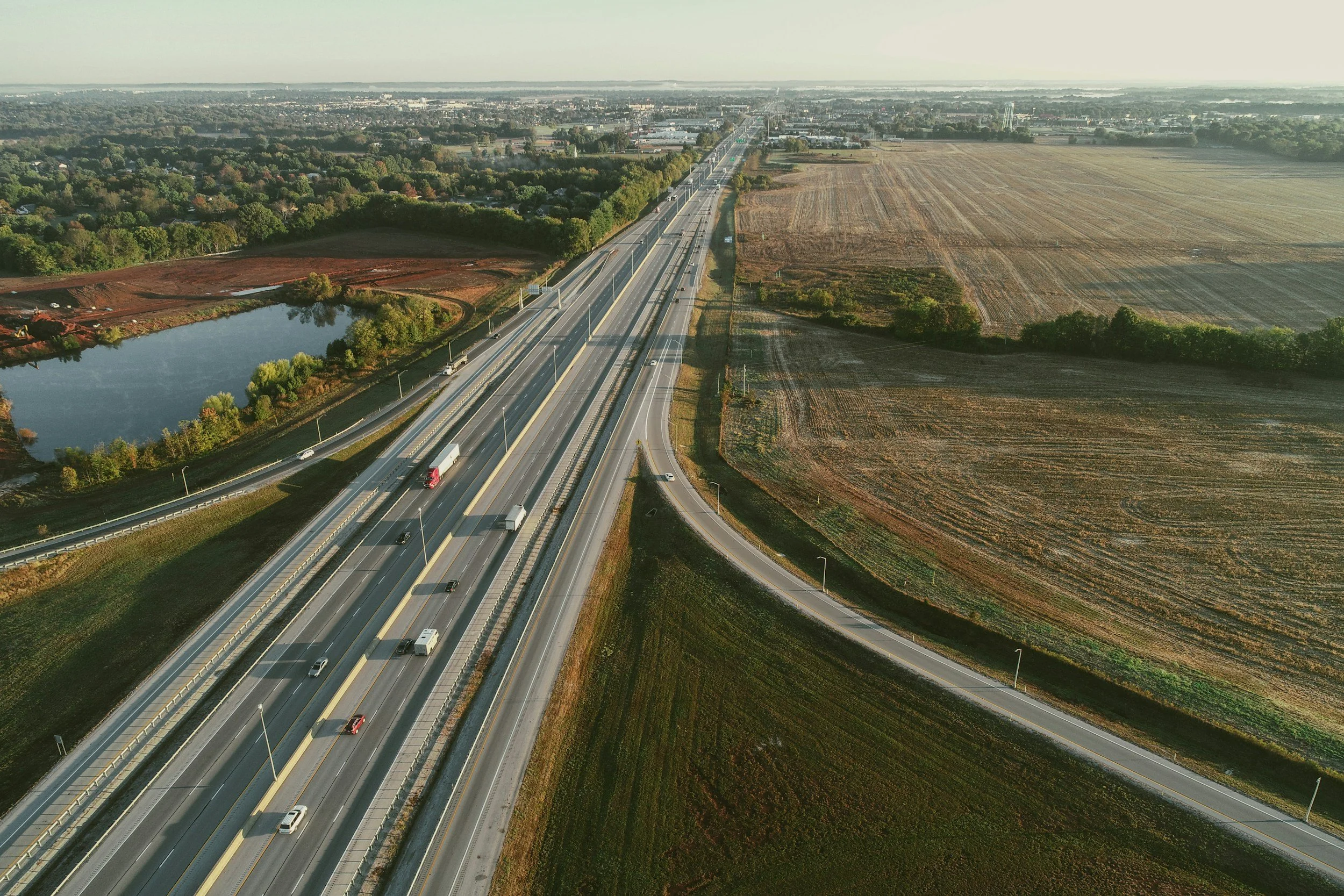
Anyone who drives I-85 between Mile Marker 126 and the South Carolina line knows the trouble spots. Over the past few years, accidents have become more frequent and deadly in the area as commercial truck traffic increases in volume. The locations I see most often in Northeast Georgia CMV cases:
Exits 129 (Braselton) and 137 (Pendergrass) — heavy car-truck mixing where Jackson County traffic merges off the Chateau Élan corridor.
Exits 147 (Commerce) and 149 (Banks Crossing) — the Tanger Outlets, truck stops, and I-85/U.S. 441 interchange create constant lane-change conflicts.
Exit 154 (Banks County / GA-51 Homer) — long uphill grades and rural sight lines that catch out-of-state drivers off guard.
Exits 160 (Carnesville) to 173 (Lavonia) in Franklin County — fatigued long-haul drivers and rear-end collisions in construction zones.
The Lake Hartwell bridge — high winds, hydroplaning, and jurisdictional confusion when a crash straddles two states and Hart County.
Where the crash happened can decide which county the case is filed in. Georgia has many rules on where a particular defendant can be sued and additional rules when a defendant is an out-of-state trucking company traveling through Northeast Georgia. As a former defense attorney for national trucking companies, I know these rules like the back of my hand and know first-hand how venue can make or break your case in trucking accident cases.
What Evidence Disappears Within Days of a Northeast Georgia Truck Wreck
The biggest mistake I see Northeast Georgia plaintiffs make is waiting. Carriers are not required to preserve evidence forever, and much of the most damning proof is gone within 30 days unless an attorney sends a formal preservation (spoliation) letter. This is especially true when trucking companies most fast to have their equipment towed, repaired, or sent to salvage. Critical evidence includes:
Electronic logging device (ELD) data showing the driver's hours behind the wheel.
Engine control module ("black box") data capturing speed, braking, and throttle before impact.
Dashcam footage — most carriers overwrite this on a 24-48 hour loop.
Driver qualification file, DOT medical certificate, and prior crash history.
Answers to Your Typical Questions
What does "contingency fee" actually mean? What if I can't afford a lawyer? You pay nothing up front and nothing out of pocket. A contingency fee means the firm only gets paid if we recover money for you. Mitchell Law fronts all the costs of investigators, expert witnesses, depositions, and filing fees. If we don't win, you owe us nothing. That is how we level the playing field for everyday citizens even when you are opposing a national trucking company worth billions.
How long do I have to file a Georgia personal injury claim? Generally two years from the date of the accident under O.C.G.A. § 9-3-33. Wrongful death cases have their own two-year clock. Cases involving children, government defendants, or claims against the State of Georgia have shorter or different deadlines. The biggest issue facing injured plaintiffs is evidence-preservation deadlines (like dashcam footage and ELD logs) can expire within days. The honest rule of thumb: call a lawyer as soon as possible and well before the two-year mark.
I might be partially at fault. Do I still have a case? Probably. Georgia follows a rule that allows you to still damages as long as you are less than 50% at fault. Your recovery is reduced by your percentage of fault, but it does not vanish in most cases. Don't let an insurance adjuster talk you out of a claim with a guilt-trip phone call before you've spoken with a lawyer.
Talk to a Northeast Georgia Personal Injury Attorney Who Knows the Area
If you have questions that aren't on this list — or you want a real conversation about your specific case — Mitchell Law offers free, confidential consultations to plaintiffs anywhere in Banks, Franklin, Jackson, and Hart County (and across Georgia). I grew up here. My family members live here. Northeast Georgia is my community. I take cases here and stay current on safety issues in this area because they personally concern me. Call 404-383-2157, email info@amitchelllaw.com, or follow @amitchelllaw on Instagram.