
You Signed the Trampoline Park Waiver. Can You Still Sue if Your Child Gets Hurt in Georgia?
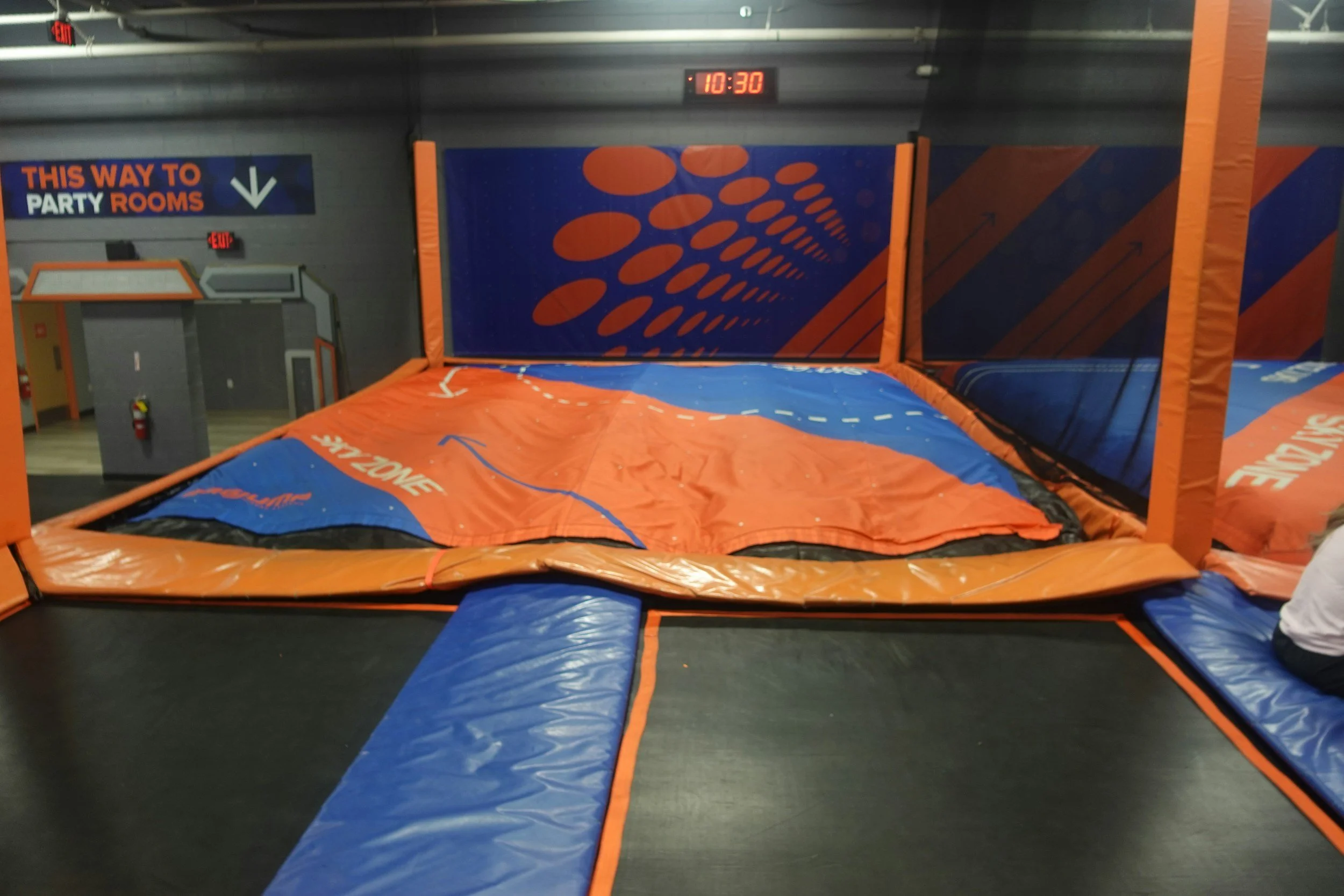
Especially during the summer, thousands of families go to trampoline parks such as SkyZone off of Northlake Parkway and Altitude in Marietta, Georgia. It is also a regular birthday party ritual: you herd a pack of eight-year-olds into a trampoline park, someone hands you a tablet, and you tap “I agree” on a waiver you did not fully read. Two hours later, a kid comes off a trampoline with a broken leg and tears. The first thing the manager likely says is, “You signed a waiver.”
Parents call me convinced that signature ended their child's case before it began. Here’s what Georgia families should actually know.
These Injuries Are Common and Often Serious
Trampoline parks, bounce houses, and indoor play centers send tens of thousands of American children to emergency rooms every year. The injuries I see aren't just bumps and bruises. Serious injuries include fractures requiring surgery, dislocations, head and neck injuries, and injuries to small children caused by much larger jumpers landing on them.
The numbers back this up. The U.S. Consumer Product Safety Commission has tracked a sharp rise in trampoline park injuries as the industry has exploded. Emergency room visits tied specifically to trampoline parks climbed roughly 211% between 2014 and 2018, and more than half of trampoline park injuries result in a fracture or dislocation. One organization that advocates for trampoline safety puts it bluntly: you're 200 to 300 times more likely to get hurt at a trampoline park than on a roller coaster.
Many of these injuries are preventable. They happen because parks overcrowd jump areas, put big kids and little kids on the same equipment, skimp on padding and maintenance, hire too few monitors (often teenagers with minimal training), or fail to enforce their own safety rules. When an injury happens because a business cut corners, that's not an “accident.” That is negligence.
Who Can Actually Be Held Responsible
Parents usually assume there's only one possible defendant, namely the park on the sign out front. In practice, liability in a trampoline park case can run in several directions at once. Figuring out which ones apply is the important early work an attorney can help you navigate:
The park owner or operator, for inadequate supervision, overcrowding, failing to enforce its own posted rules, or negligent maintenance of pits, padding, and trampoline beds.
The company that installed the equipment, if the trampolines, foam pits, or ninja-course rigging weren't installed correctly.
The manufacturer, if the product itself was defectively designed or built, or shipped without adequate warnings. Georgia allows strict product liability claims against manufacturers independent of any negligence by the park.
A thorough investigation consists of witness interviews, an inspection of the equipment, and a request for surveillance footage before it's overwritten. That is not something a parent can piece together from the incident report alone.
What A Waiver Actually Does in Georgia

Here's the honest lawyer answer: it depends, and far less than the park wants you to believe.
A waiver never excuses gross negligence or willful misconduct. Georgia courts will enforce some waivers of ordinary negligence, but no waiver protects a business from liability for gross negligence. A park that ignores broken equipment, known hazards, or its own safety policies may be outside its waiver's protection entirely.
Your signature is not automatically your child's signature. When you sign a pre-injury waiver “on behalf of” your minor child, you're signing away rights that belong to the child. Georgia appellate courts have not definitively settled whether parents can waive their child's own injury claims in advance, and these waivers are routinely challenged. Courts scrutinize the language closely, and ambiguities are construed against the business that drafted the form.
There are usually two claims, not one. In Georgia, when a child is injured, the child has a claim for their pain, suffering, and lasting harm. The legal guardians and parents have a separate claim for the medical bills. These claims can be treated differently under a waiver, and they run on different legal clocks: the child's own claim is generally paused until they turn 18, but the parents' claim for medical expenses is not.
Watch for arbitration clauses. Many waivers also try to force your family's dispute out of court and into private arbitration. Whether those clauses bind a child is its own fight.
The takeaway: never let a manager, an insurance adjuster, or the waiver itself talk you out of getting legal advice. The enforceability of that tablet signature is a legal question, and it is one the park ultimately does not get to decide.
The Other Defense: “You Assumed the Risk”
Even when a waiver is shaky, parks fall back on a second argument: everybody knows jumping around on a trampoline carries some risk, so by walking in the door, you assumed it. This is a real legal doctrine in Georgia called “assumption of the risk”. However, it is not the slam dunk defense that it sounds like.
To win on assumption of risk, the park has to prove the injured person had actual knowledge of the specific danger involved, understood the risk it posed, and voluntarily exposed themselves to it anyway. General awareness that “trampolines can be dangerous” does not meet that bar. In contrast, knowledge that a specific pit had exposed springs or that the park was letting far too many jumpers onto one court does meet the bar. The burden is on the business to prove all of that, not on your family to disprove it. Lastly, Georgia law treats young children differently than adults on this point. A small child generally cannot be held to have knowingly and voluntarily assumed a risk the way an adult jumper can.
In other words, a park can lose on the waiver argument and the assumption-of-risk argument separately.
What to Do After an Injury at a Trampoline Park or Play Center
If your child is hurt, take these steps:
Get medical care first. Some serious injuries — especially head and internal injuries — aren't obvious right away.
Report the injury before you leave and ask for a copy of the incident report. Get the names of the employees on duty.
Photograph everything. The equipment, the padding, the crowding, the posted rules, your child's injuries.
Get witness names and numbers. Other parents saw what happened — find them before they scatter.
Ask for a copy of the waiver you signed and keep it. Don't sign anything new.
Preserve evidence. Many parks have cameras. A lawyer can send a preservation letter before that footage is overwritten — which can happen in days.
Don't give a recorded statement to the park's insurance company before talking to an attorney.
Before the Next Outing to the Trampoline Park
A few questions worth asking before you book that adventure: Are jumpers separated by size and age? How many trained monitors are on the floor? When was the equipment last inspected? What's the injury protocol, and is anyone trained in first aid? A well-run park will readily provide you with those answers. A defensive answer tells you something too.
I have spent my career holding businesses accountable when they profit from children and cut corners on their safety: daycares, resorts, camps, and trampoline parks. If your child was seriously injured at a trampoline park, bounce house, or play center in Georgia, don't let a waiver or a claim that you “assumed the risk” be the end of the conversation. Let me look at it first.
Call Mitchell Law at 404-383-2157 or email info@amitchelllaw.com for a free consultation.
This article is for general informational purposes only and is not legal advice. Whether any particular waiver or defense applies depends on the specific language, facts, and evidence in the case.